En esta sección
Examples of correct configuration
A product purchased in multi-unit packs and sold individually, for example, a Fanta. We might buy packs of 12-24 units and sell them individually.
If the supplier gives us the price for this item in packs, we will create a PURCHASE format with 24 units and a sales format of one unit. This will be as follows:
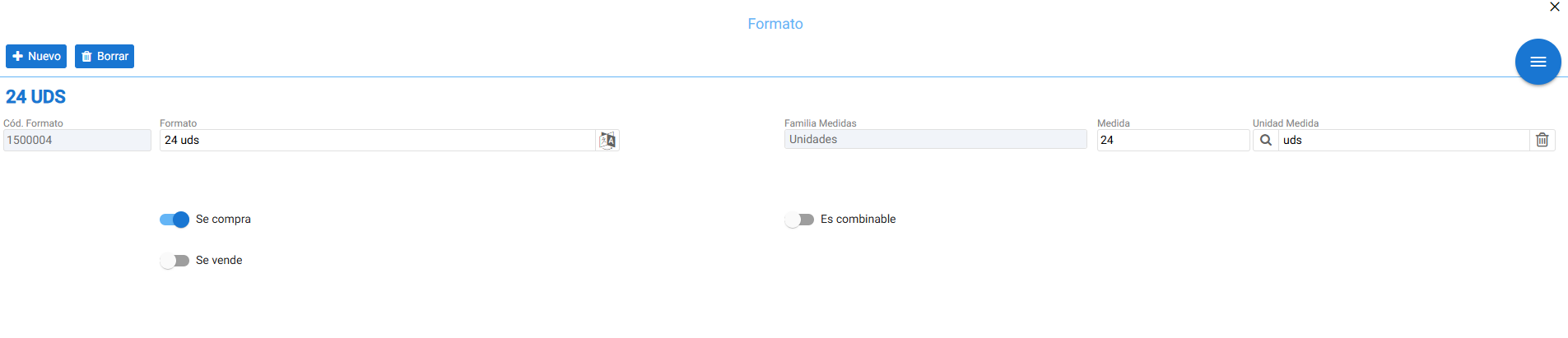
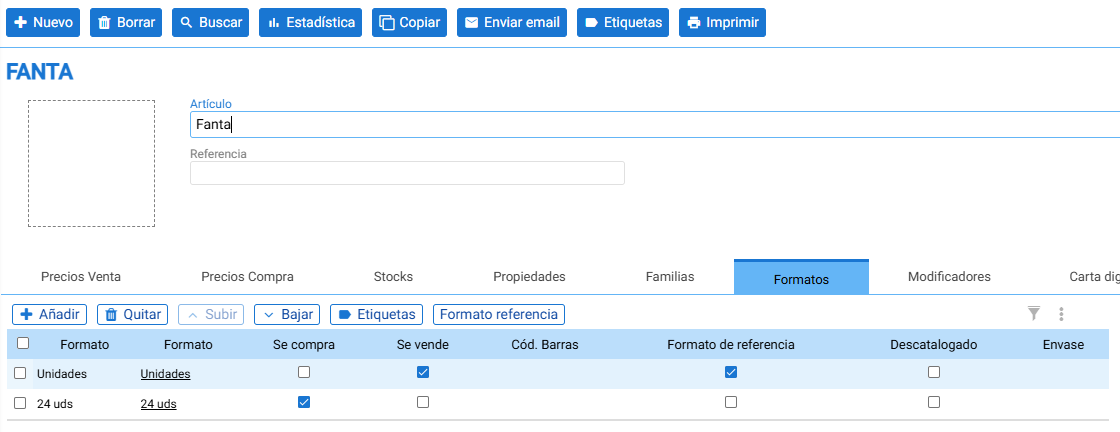
Our reference format in this case is units because we want to see the units, but when we make a purchase, we buy packs of 24.

If we look closely, I have entered 1 unit of Fanta 24-pack, our stock will increase by 24 units.
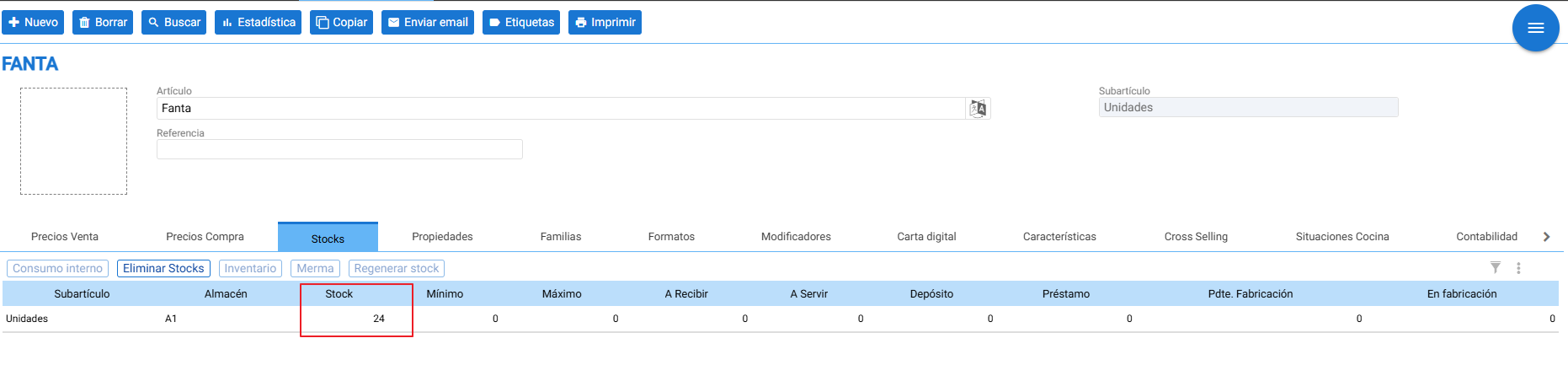
Later in the sale, we will only have the UNIT, so we will see units decreasing one by one, not packs of 24.
An item that is bought in kilograms and we sell in grams, and for operational reasons we want to see the stock in grams.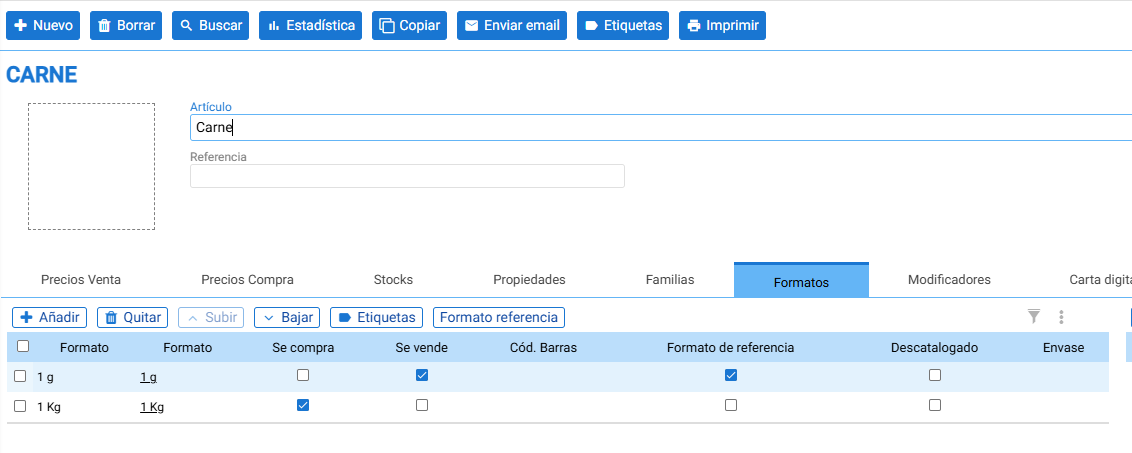
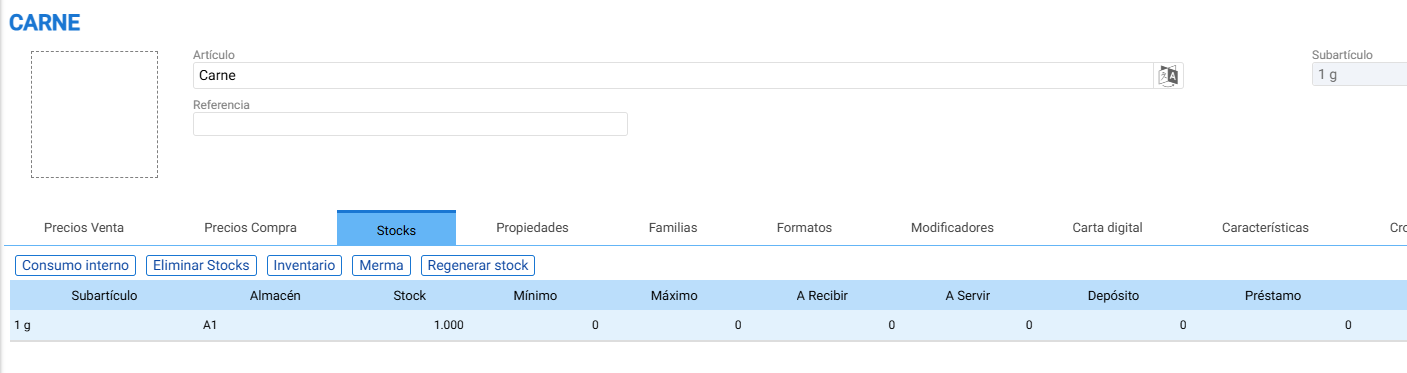
An item bought by the kilogram that is a component of a cost breakdown but in gram format.
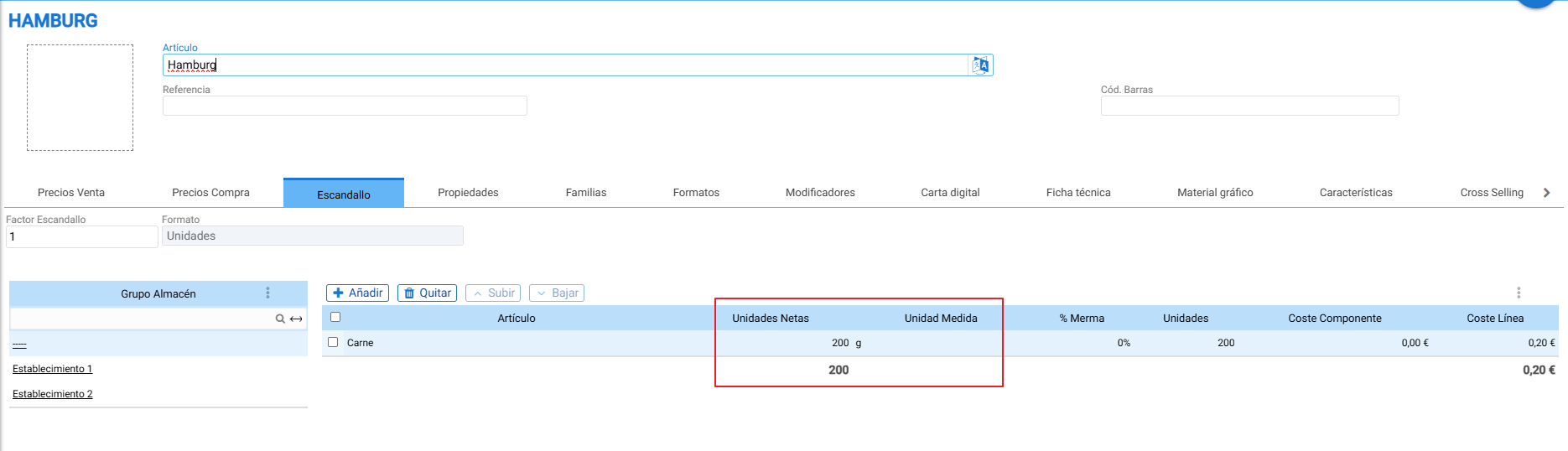
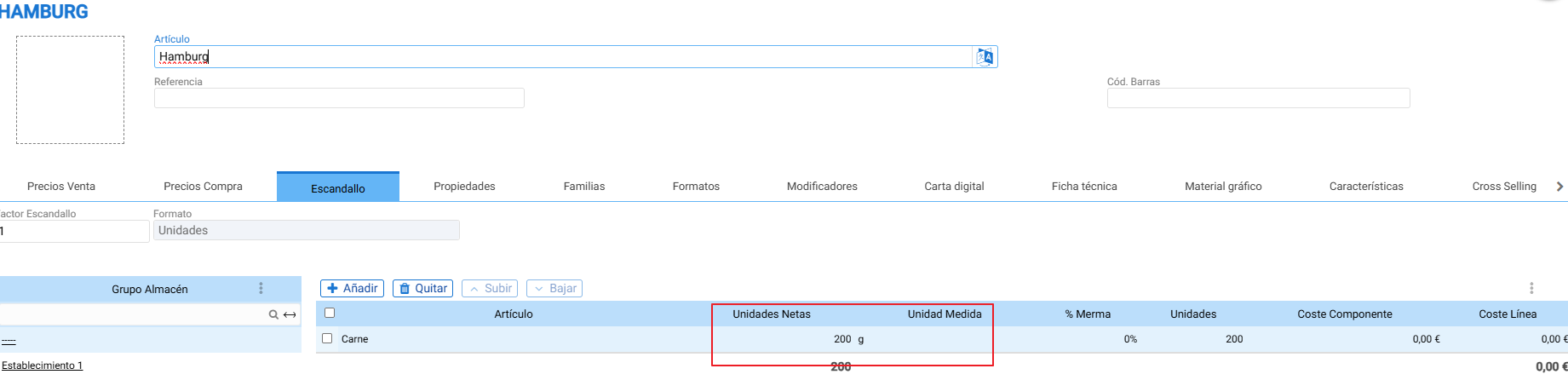
We can have the MEAT item, which is a component of a Hamburger. If we are not interested in seeing the meat in grams because we buy it in KILOS, it is not necessary to set grams as the format for MEAT, since the costing allows us to use the correct unit of measure as long as it is from the same weight family.
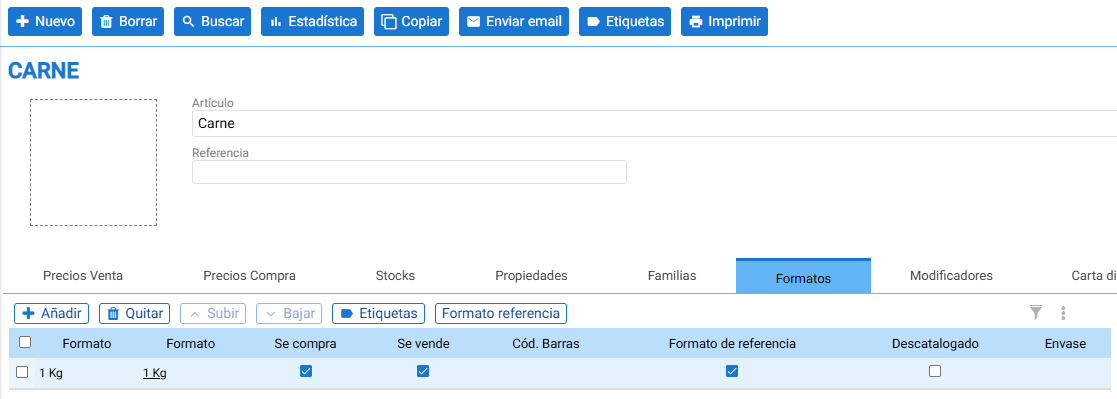
We have a kilogram of meat:
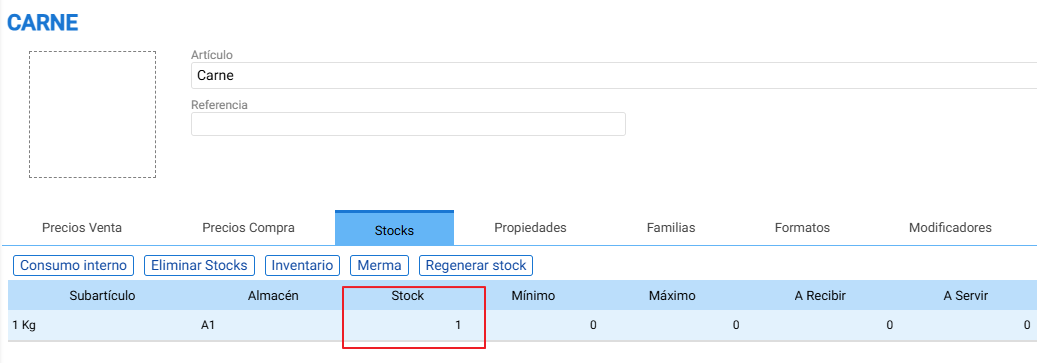
For the recipe breakdown, we use 200 grams of meat: When adding the component, it will bring the reference format with the unit of measurement "kg" (Kilograms), but we can select it with the magnifying glass and change it to grams ("g").
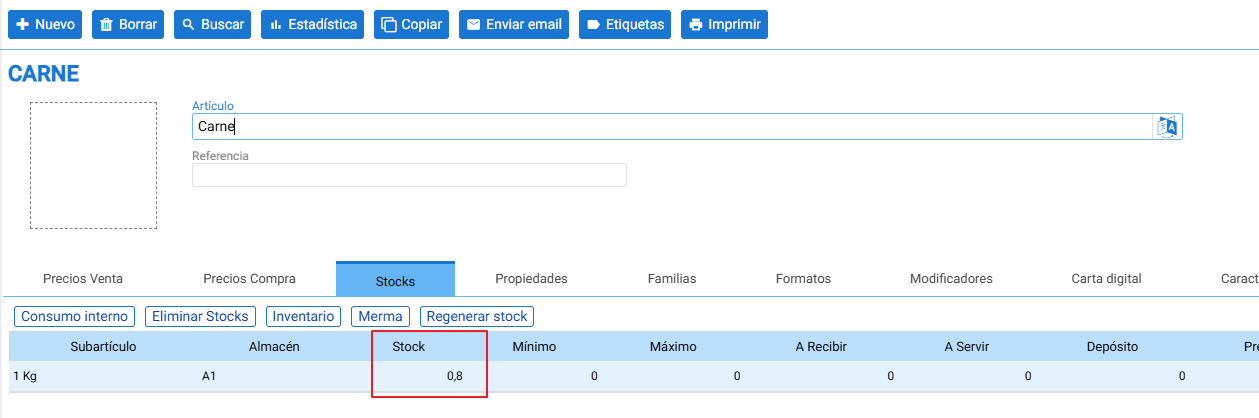
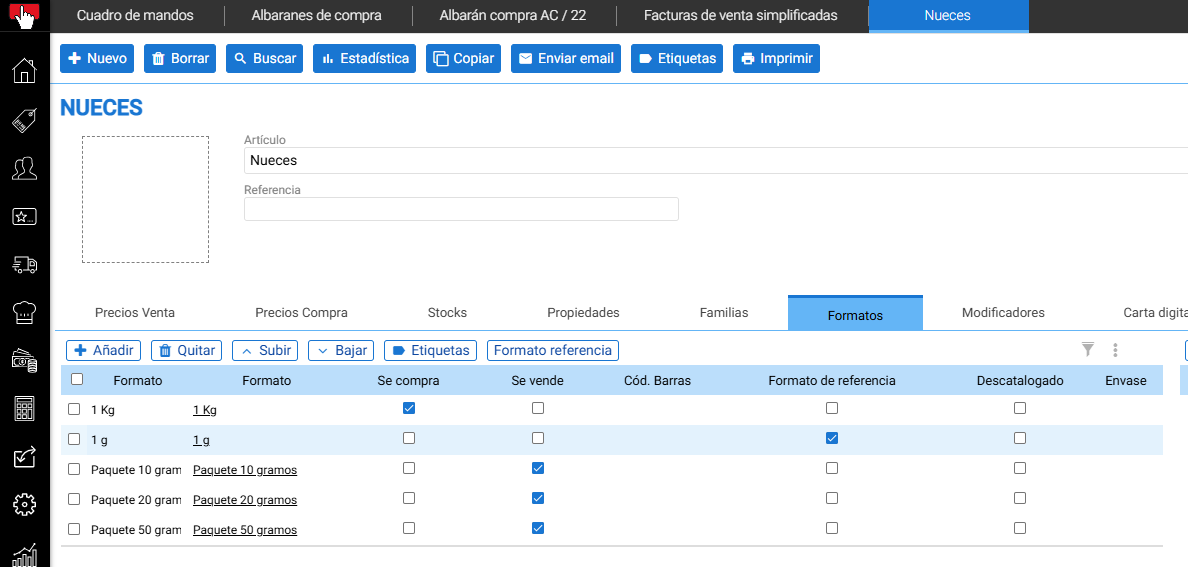
It's an example very similar to the previous one, but we must use the gram as the reference format. Be careful, we are still buying in KILOGRAMS.
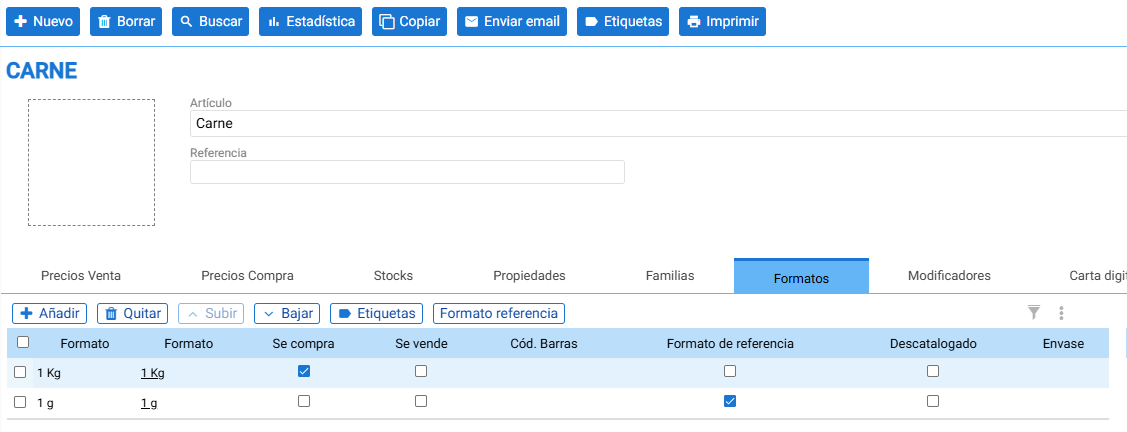
Since my only purchase format is KG, by default, when selecting the meat item, it already knows it will be in KG.
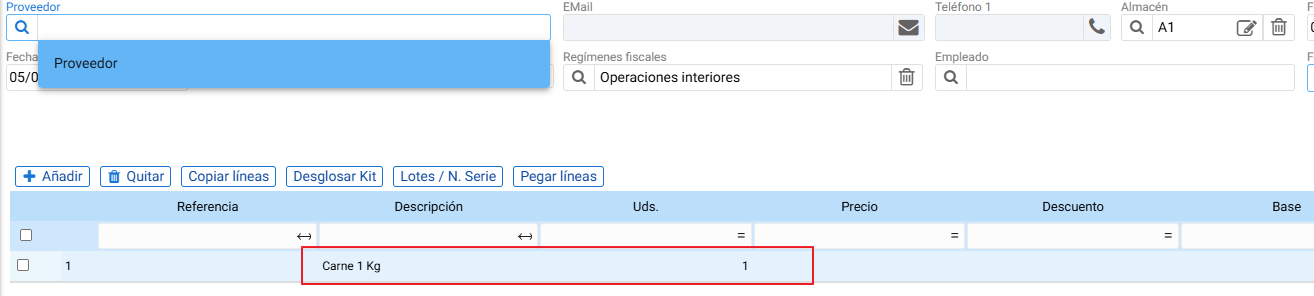
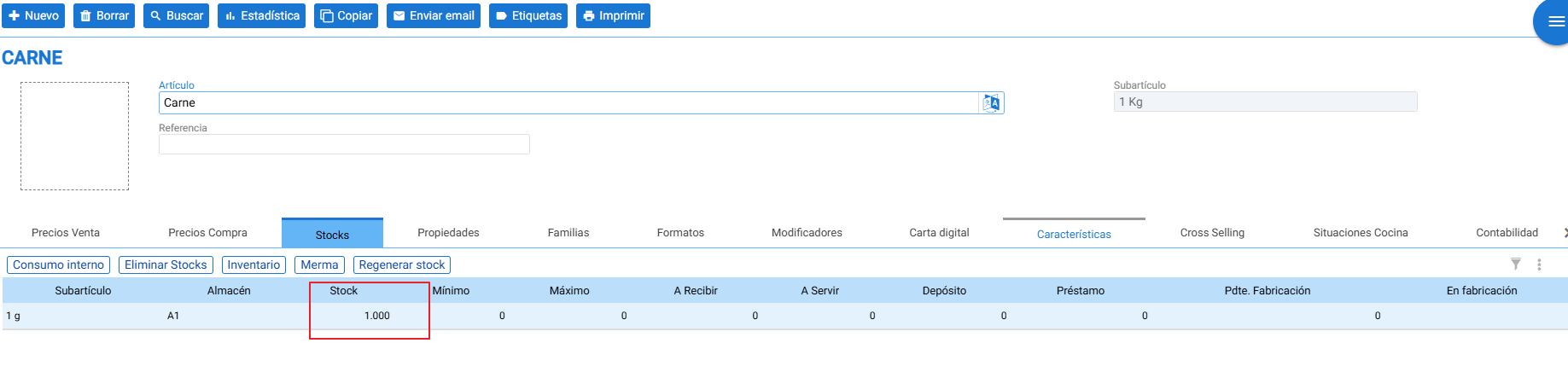
The sounding is maintained in the same way:
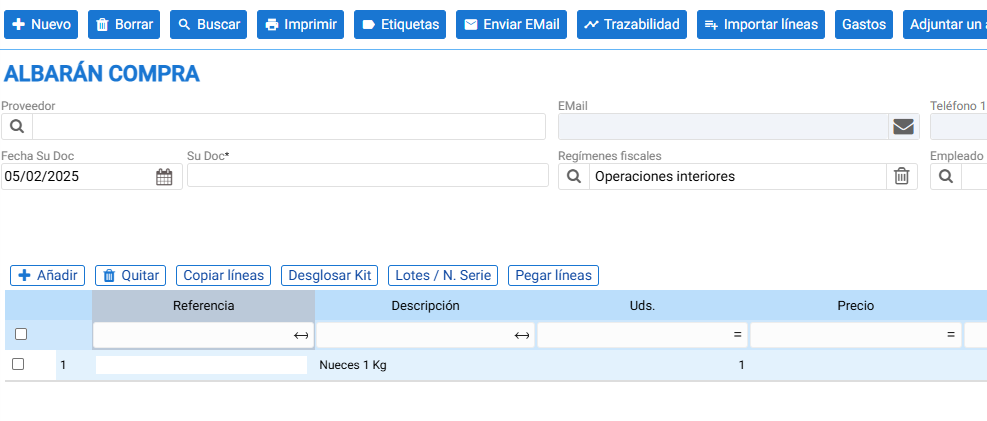
We are buying 1 KG; since it's the only one available for purchase, it won't ask us about the other formats.
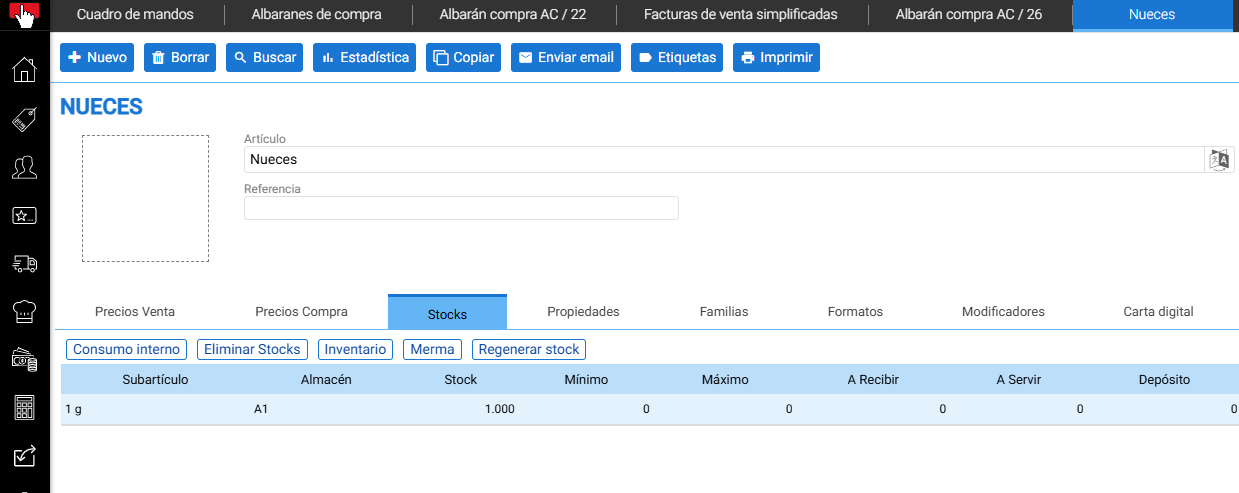
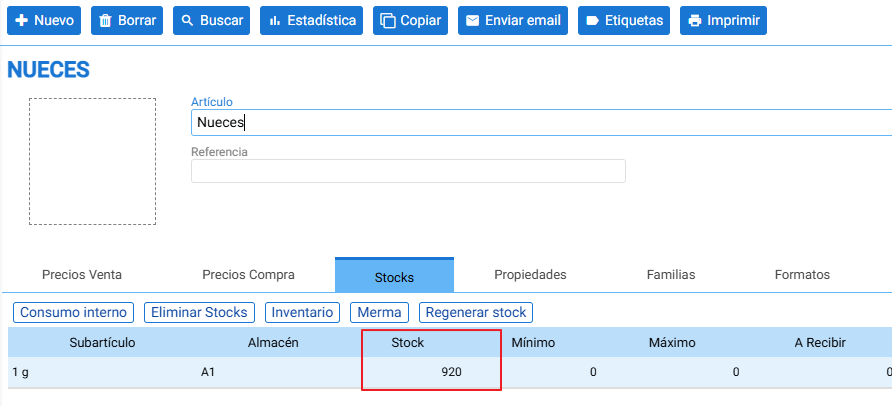
We visualize the Stock in Grams.
We sell a 10-pack, a 20-pack, and a 50-pack. Since both are for sale, you will ask me which one. In this case, all three.
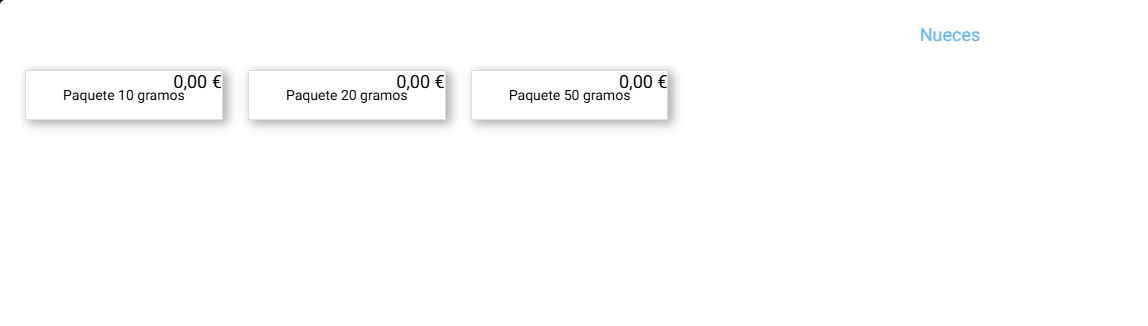
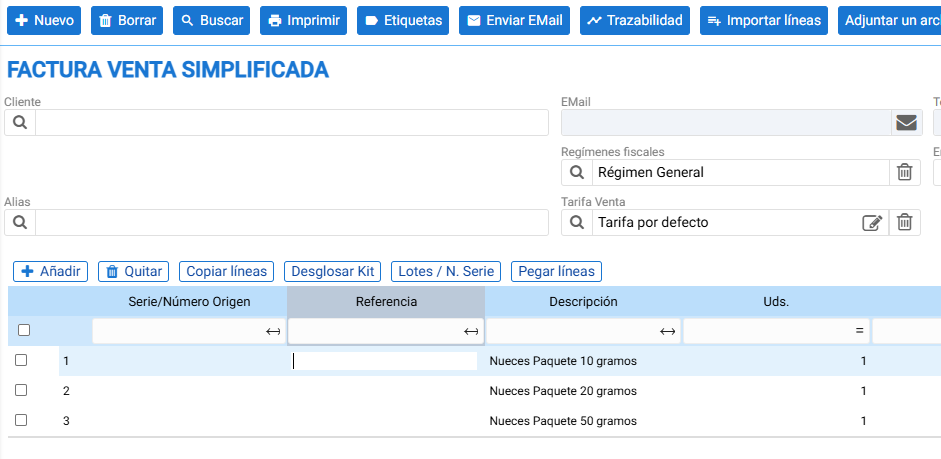
The remainder of the total stock will be 80 grams.
Costs such as COST TRACKING will be displayed on the Purchase format(s), not on the Reference format.
As we have been able to observe in these examples, if we are clear about the formats being purchased, those being sold, and the reference format, we can carry out all the desired operations without any concern, displaying the information the client wants. Additionally, we avoid common purchasing errors, such as buying grams at the price of kilograms, as the purchase line already shows that we are buying in KILOGRAMS.
AI Assistant
Section summary
AI can generate inaccurate information; verify the results.